


The clear shift in interior glazing
Interior glazing has evolved significantly in recent years. Where glass used to be chosen mainly to let in light or separate spaces, today it plays a much bigger role in interior design. Glass is no longer a neutral building material that fades into the background. It helps define the atmosphere, the natural light, the sense of space and even the comfort of a home.
This change is clearly visible in modern homes, renovations, offices and commercial interiors. Interior glazing not only needs to look beautiful, but also has to work practically in everyday use.
From purely functional to atmosphere defining
In the past, glass in interiors mainly had a practical function. It allowed natural light to pass through, made a space feel visually larger and created a separation without completely closing off a room. Today, that function remains important, but it is now combined with a clear aesthetic value.
A glass door, wall or partition is now deliberately chosen as part of the interior concept. Think of a sleek glass wall between the kitchen and living area, a stylish door with a black profile or subtle glazing that allows light to enter a dark hallway. Glass is no longer present only because it is useful, but because it contributes to the overall experience of the space.
From clear glass to more texture and privacy
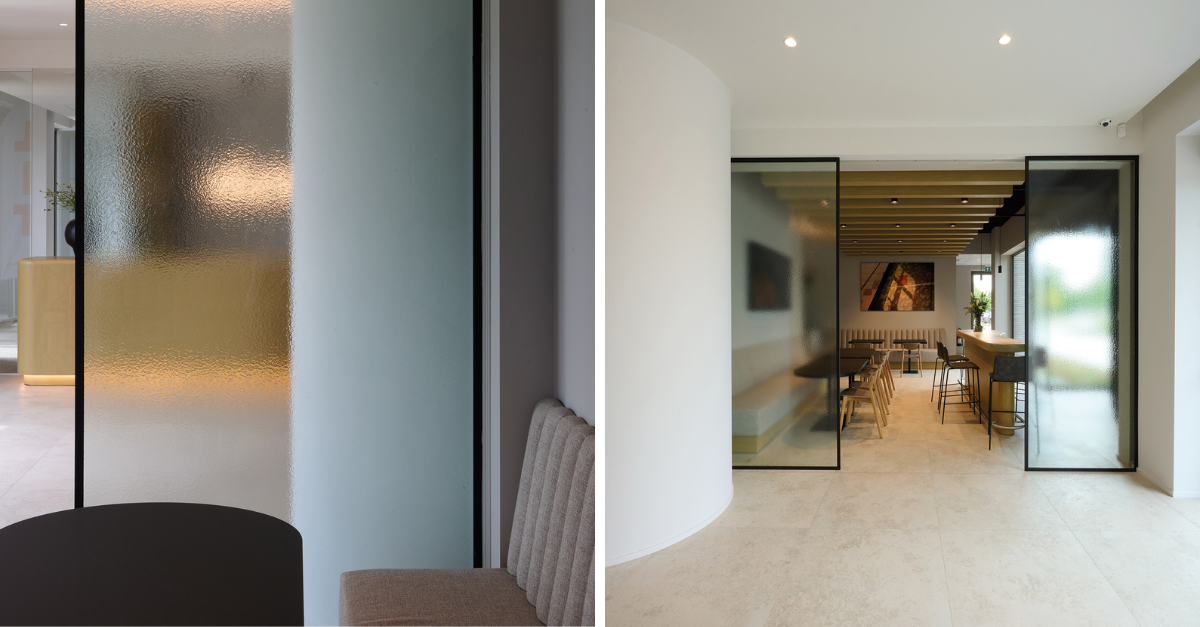
Clear glass was the most obvious choice for many years. It is transparent, timeless and allows maximum light to enter. However, we are seeing that more and more people are looking for glass with more character.
Fluted glass, acid etched glass, frosted glass and glass with a warm tint are becoming increasingly popular. These types of interior glazing create a softer look and offer more privacy, without losing the open feeling completely. This makes them ideal for bathrooms, home offices, entrance halls, dressing rooms or partitions between living spaces.
The major advantage is that light can still flow through the home, while unwanted visibility is reduced. This creates a better balance between openness and privacy.
From standard solutions to custom design
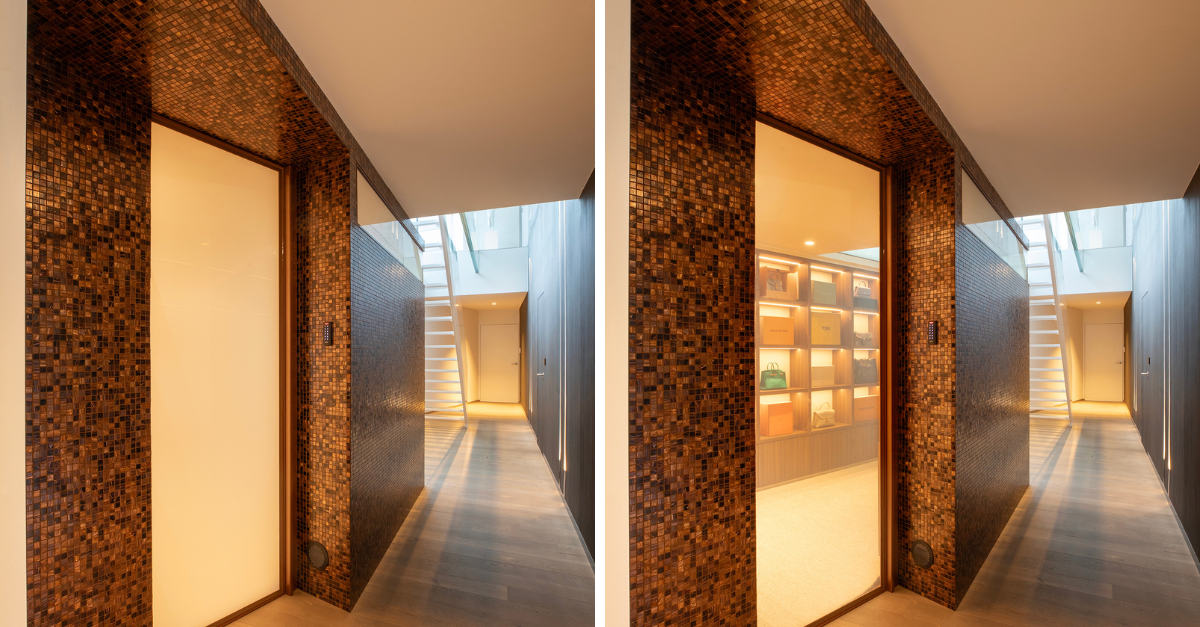
Where glass used to be more of a neutral addition, it is now consciously used as a design statement. Glass walls and doors are custom made and tailored to the style of the home.
A glass door in a rural home requires a different finish than a sleek glass wall in a modern new build. The type of glass, profiles, colour and layout all play an important role. Customisation ensures that the glazing does not feel like an afterthought, but becomes a natural part of the overall interior.
From temporary choice to sustainable investment
Sustainability is also playing an increasingly important role. People are making more conscious choices for high quality materials that last and retain their appearance. The same applies to interior glazing.
High quality glazing is strong, low maintenance and timeless. Instead of quickly choosing a standard solution, people are increasingly considering quality, safety and finish. A well installed glass wall or door can last for many years and remains relevant even as interior trends change. In addition, glass contributes to a brighter home. By spreading natural light more effectively, spaces feel more pleasant and spacious. This not only increases living comfort, but also enhances the value of the interior.
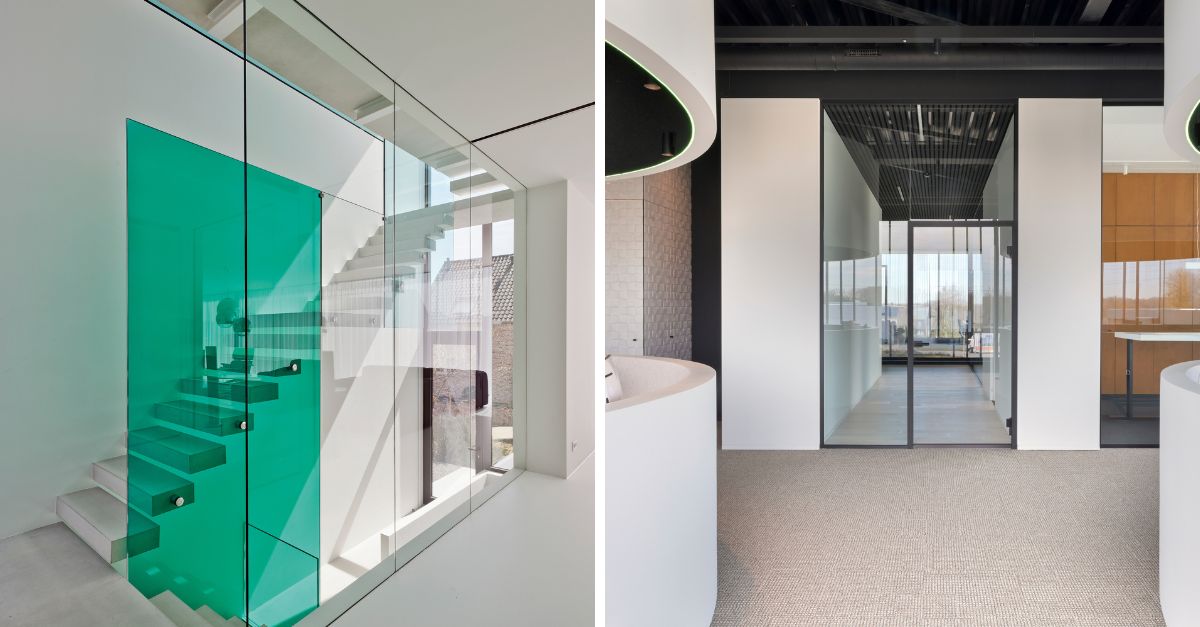
The biggest change is clear: interior glazing is no longer just a practical choice. It has become a fully fledged part of interior design. Glass provides light, space and connection, but today also offers privacy, acoustic comfort, warmth and character.
Curious which interior glazing best suits your home or project? Group Ceyssens is happy to think along with you about custom glass solutions, with attention to light, comfort, style and sustainable finishing.